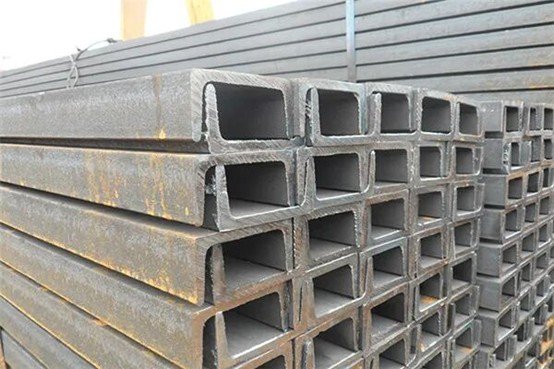
What Is Channel Steel?
In modern metal fabrication, choosing the right channel steel cutting bandsaw blade is critical for achieving clean cuts, higher efficiency, and longer blade life. Channel steel, also known as U channel steel, is widely used in construction, machinery, bridges, and vehicle manufacturing, but its unique U‑shaped profile makes cutting more difficult than solid sections.
- Chinese standard channel steel (GB/T 706): e.g., 5#, 10#, 20#, where the number indicates the web height in centimeters.
- European standard (EN 10279): UPE/UAP series with precise dimensions and consistent tolerances.
- American standard channel sections (e.g., ASTM A36 C-channels): labeled in inches, such as C3×4.1.
Why Channel Steel Cutting Is Difficult
When using a bandsaw blade for channel steel, operators often face:
- Strong vibration due to the hollow U-shaped structure and uneven wall thickness, leading to rough surfaces and faster wear.
- Blade jamming when the flanges squeeze the blade during the cut, increasing the risk of stalling or blade breakage.
- Cutting deviation and non-vertical cut faces if the feed is unstable or the blade is not suited to channel steel.
- Low efficiency when using low‑quality blades that dull quickly, wasting time and coolant.
Selecting a dedicated channel steel cutting bandsaw blade helps minimize these issues and keeps your sawing process under control.
Best Bandsaw Blade for Channel Steel Cutting
Economical Option – Bimetal Bandsaw Blade
For many workshops, a bimetal bandsaw blade for channel steel offers the best balance of cost and performance. It is especially suitable for:
- Low to medium cutting volumes
- Mild steel channel such as Q235B and similar structural steels
Recommended features for channel steel cutting:
- A general‑purpose tension‑resistant tooth design that provides good stability and reduces the risk of tooth breakage in interrupted cuts on profiles.
- Variable pitch teeth to minimize vibration when cutting U channel steel and other structural shapes.
- Reliable performance on small and medium tubes, profiles, and even bundle cutting when properly clamped.
When you match the right bandsaw blade for channel steel with proper cutting parameters, you will see cleaner cuts, fewer blade changes, and more predictable production schedules.
Optimized Cutting Parameters for Channel Steel
Using the correct cutting parameters is just as important as selecting the right channel steel cutting bandsaw blade. The following values are practical starting points:
| Parameter | Recommended Value | Notes |
| Cutting speed | 40–60 m/min | Use the lower range for bimetal bandsaw blades on channel steel. |
| Feed pressure | Moderate | Adjust by observing chip color and shape; avoid excessive pressure to prevent blade deflection. |
| Tooth pitch (TPI) | 3–6 | Choose lower TPI for thicker sections; variable pitch is preferred. |
| Coolant | Water‑soluble coolant | Reduces friction, cools the blade, and extends tool life. |
If you need more details on specifications and tooth configurations, visit our bimetal bandsaw blades product page for channel steel and other structural profiles.
Practical Tips for Stable Channel Steel Cutting
For high‑volume production, it is worth optimizing both your channel steel cutting bandsaw blade and your cutting process parameters together. You can run cutting trials with different tooth pitches, speeds, and coolants, then track blade life, cutting time, and surface quality to find the most cost‑effective setup for your workshop. In some cases, upgrading from a standard bimetal blade to a premium profile‑cutting model can significantly reduce vibration when working on large U channel steel or bundled channel sections. Combining the right bandsaw, vise clamping, and bandsaw blade for channel steel will help you achieve more stable cutting performance and lower your overall cost per cut.
To get the most from your bandsaw blade for channel steel, follow these practical tips:
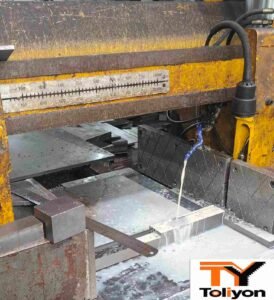
- Secure clamping: Use a V‑shaped vise or dedicated fixture to hold the channel steel firmly and reduce vibration.
- Step cutting for thick sections: For heavy‑wall channel steel, cut in stages to lower cutting load and protect the blade.
- Regular chip removal: Clean chips from the gullet area and machine bed to maintain cutting accuracy and avoid heat buildup.
For more general guidelines on structural steel and channel steel specifications, you can also refer to international standards and associations such as AISC – American Institute of Steel Construction and World Steel Association. These resources provide background information on steel grades, profiles, and fabrication practices that complement your sawing process.
Get Support for Difficult Channel Steel Jobs
If you are struggling with hard‑to‑cut channel steel, vibration, or frequent blade failure, our team can help you choose the most suitable channel steel cutting bandsaw blade for your application. We focus on delivering cost‑effective products and technical support, so you can improve productivity and reduce downtime in your fabrication shop.
Contact our team through the online inquiry form to get a customized recommendation on the best channel steel cutting bandsaw blade for your material and machine.
You can also explore more metal cutting solutions for structural steel to improve sawing performance across different profiles.