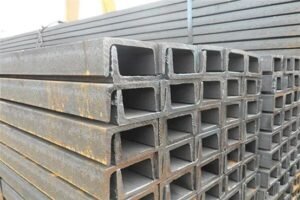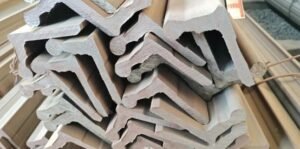
In modern metalworking, selecting the right **bandsaw blade for angle steel** cutting is crucial for efficiency. Angle steel—widely used in construction frameworks and steel fabrication—requires blades with optimal chip removal, tooth pitch, and tooth type to avoid waste and costs.
However, many new buyers and workshop managers still face a common challenge — how to select the right bandsaw blade for cutting angle steel. The wrong choice can easily lead to poor cutting surface quality, wasted materials, and increased production costs.
This article will walk you through three essential factors for choosing the proper bandsaw blade for angle steel cutting, helping you improve cutting performance and reduce costs.
1. Best Bandsaw Blade for Angle Steel Chip Removal for Smooth, Efficient Cutting
During the cutting process, angle steel generates a large number of metal chips. If these chips are not removed effectively, the bandsaw blade may jam, overheat, or wear out prematurely. Therefore, selecting a blade with good chip evacuation design—meaning proper tooth shape and enough chip space—is crucial.
For most applications, bimetal bandsaw blades are the preferred choice. They feature high hardness at the tooth edge and strong flexibility in the blade backing, making them durable, efficient, and cost-effective. These blades are ideal for cutting carbon steel and low-alloy steels such as Q235 and Q345.
2. Variable Pitch Bandsaw Blade for Angle Steel (Go Variable for Better Performance)
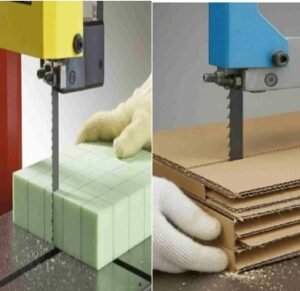
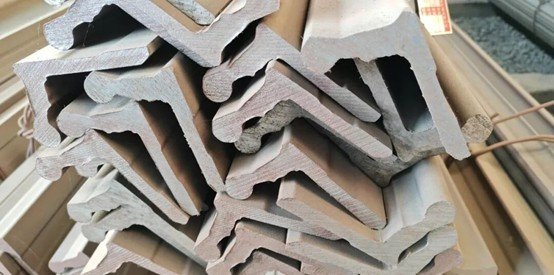
Tooth pitch selection is one of the most overlooked but critical decisions when cutting angle steel. Since the cross-section of angle steel varies in thickness, the saw blade often contacts both thin and thick parts simultaneously.
Using a fixed-pitch bandsaw blade in this scenario can easily trigger vibration, resulting in tooth breakage, rough cut surfaces, or shorter blade life.
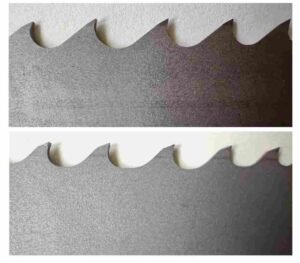
That’s why we recommend a variable-pitch bandsaw blade for cutting angle steel, steel pipes, and bundled materials. The irregular tooth spacing design helps distribute vibrations, ensuring smoother, quieter, and more stable cutting performance.
Quick tip:
Thin material → choose finer teeth (smaller pitch)
Thick material → choose coarser teeth (larger pitch)
3.Bandsaw Blade for Angle Steel Tooth Pitch Guide: Durability vs. Speed
The tooth profile has a direct impact on cutting speed, precision, and tool life. Generally, two major options are available on the market: raker (tough) teeth and hook (sharp) teeth.
Raker tooth blades offer stable cutting, high fatigue strength, and long life, making them perfect for continuous production lines or heavy-duty use.
Hook tooth blades deliver faster penetration but wear out more quickly, requiring more frequent blade replacement—ideal for workshops prioritizing cutting speed over longevity.
For angle steel or structural steel cutting, raker-type bimetal bandsaw blades provide the best balance between cutting efficiency, durability, and cost performance.
Key Takeaways: How to Cut Angle Steel Efficiently
To sum up, when selecting a bandsaw blade for cutting angle steel, focus on these three essential elements:
Chip removal ability – Choose blades with optimized tooth geometry and chip clearance.
Tooth pitch selection – Match tooth spacing to material thickness; use variable pitch to reduce vibration.
Tooth form – Select raker teeth for balanced performance and longer lifespan.
Following these practical guidelines will help you achieve cleaner cuts, longer blade life, and lower cutting costs—no matter whether your workshop is in Asia, Europe, or the Middle East.
Learn more about bandsaw blade for angle steel.