A practical guide for butchers, supermarkets, and meat processors using commercial bone saw machines.
| View Replacement Bone Saw Blades |
Blade lifespan overview
Bone saw blades on commercial bone saw machines can last from a few days to several months, depending on how they are selected, installed, and used. Some users report going through several blades in a single day, while others can use one blade for up to three months. The difference usually comes down to blade choice, machine quality, maintenance, and operating habits.
Choosing the right bone saw blade
Selecting the correct bone saw blade for your meat cutting application is the first step to improving lifespan.
- Match blade type to material: stainless steel, high‑carbon steel, frozen meat with bone, fish, poultry, or other processing needs.
- Choose the right width: narrower blades are better for curved cuts, while wider blades offer more stability on straight cuts.
- Consider thickness: thicker blades are stronger but may generate more waste; thinner blades cut cleaner but fatigue faster if tension is incorrect.
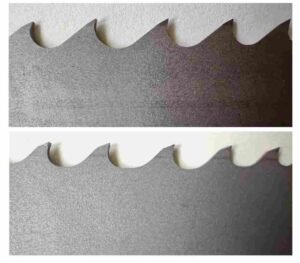
- Optimize tooth design and TPI: common bone saw blades use 3, 4, or 6 TPI; harder bones usually require fewer, larger teeth for aggressive cutting.
- Use the correct length: a blade that is too long or too short affects tension and can reduce service life.
Bone saw machine design and performance
The quality of your bone saw machine directly influences how long your blades last.
- Rigid, stable frame: a solid structure reduces vibration and twisting during heavy bone cutting.
- Smooth wheel rotation: properly balanced wheels and a stable motor help your blade track correctly and reduce metal fatigue.
- Accurate tensioning system: modern commercial bone saws often use reliable tension controls to keep blades at optimal tension during operation.
Maintenance and daily operation
Even high‑end meat cutting equipment needs regular maintenance to protect the blades.
- Clean scrapers and wheels: remove bone dust and meat residue to avoid slippage and uneven blade loading.
- Inspect and replace guide blocks: worn guides increase blade twisting and vibration, which shortens lifespan and affects cut quality.
- Use correct cutting technique: apply steady, consistent feed pressure and avoid twisting the product into the blade; use push rods or sliding tables when available.
Blade quality and sourcing
Not all butcher band saw blades are produced to the same standard.
- Check weld quality and joint alignment: poor welds and misaligned teeth can cause early breakage even on new blades.
- Buy from trusted suppliers: professional meat processing suppliers typically offer blades designed specifically for bone and frozen meat cutting.
FAQ: Bone Saw Blades
Q1: How often should I replace bone saw blades?
A1: Under normal commercial use, many users replace blades every few weeks to a few months, depending on material, tension, and maintenance.
Q2: How do I know the blade is worn out?
A2: Signs include slower cutting, more bone dust, uneven cuts, or increased vibration and noise from the machine.
Q3: How can I make bone saw blades last longer?
A3: Choose the right blade type, keep correct tension, clean guides and wheels regularly, and avoid twisting the product during cutting.