Category: Blade Selection-Metal Cutting-Tool Steel Cutting | How To Series
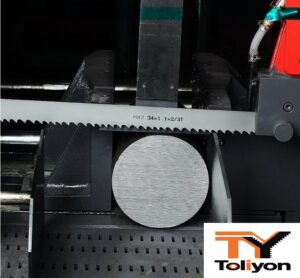
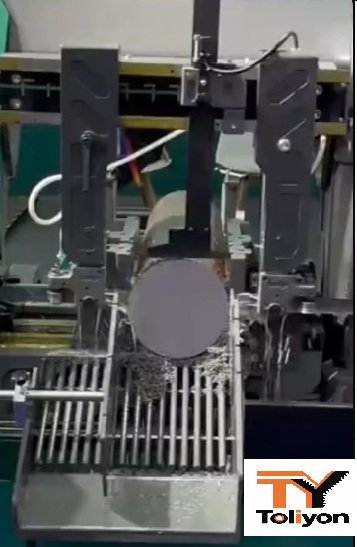
How to cut high-speed steel with a bandsaw blade : 2 Proven Pro Picks depends largely on the material’s hardness, heat-treatment condition, and the cutting equipment available. Choosing the right blade helps improve cutting stability, blade life, and overall production efficiency.
High-speed steel comes in different grades and heat-treatment conditions. Annealed HSS is not the same job as fully hardened HSS. That difference affects which bandsaw blade you should consider, how you set up the machine, and what cutting performance you can reasonably expect.
In this guide, we compare two options: an M51 bi-metal bandsaw blade for suitable applications and a carbide-tipped blade for demanding or hardened material where the blade and machine are designed for the job.
Why Is High-Speed Steel Difficult to Cut?
High-speed steel is used for tools such as drills, milling cutters, taps, and broaches because it combines wear resistance with the ability to retain hardness at elevated temperatures. Common grades include T1, M2, and M42, but their properties vary with composition and heat treatment. The BÖHLER S600 technical information from voestalpine provides one example of the wear resistance and hot hardness associated with HSS.
When choosing a bandsaw blade for high-speed steel, pay attention to four factors.
1. The actual hardness of the workpiece
The material grade alone does not tell the whole story. Annealed HSS is generally more machinable than the same grade after hardening. If you are cutting used tools, hardened stock, or finished tool components, confirm the material condition before choosing a blade.
2. Wear at the tooth edge
A blade must have a tooth material and geometry suited to the workpiece. If the cutting edge cannot withstand the material and cutting conditions, it may dull quickly. A premium blade can still fail early if it is used outside its intended application.
3. Heat and cutting conditions
HSS is designed to retain hardness at elevated temperatures. During sawing, however, heat can still contribute to poor blade life when speed, feed, or coolant delivery is unsuitable. The goal is not simply to run as slowly as possible; it is to use the recommended cutting conditions for the material and blade.
4. Machine stability and chip removal
Vibration, poor clamping, incorrect blade tension, and unsuitable tooth pitch can all affect cutting performance. Chips must also clear the tooth gullets rather than pack into the cut.
Before selecting a bandsaw blade for high-speed steel, confirm the grade, hardness, workpiece dimensions, and machine conditions. These details are more useful than the material name alone.
Pro Pick 1: M51 Bi-Metal Bandsaw Blade
An M51 bi-metal bandsaw blade may be a practical option for suitable HSS cutting applications, particularly when the workpiece is in an annealed or relatively soft condition and the blade manufacturer’s recommendations support the job.
Bi-metal blades combine a high-speed-steel tooth edge with a flexible backing. M51 is a premium HSS tooth material used in industrial blades where wear resistance and heat resistance are important. However, M51 is not a guarantee of successful cutting through every hardened tool steel.
Consider an M51 blade when:
- The workpiece hardness is within the blade manufacturer’s recommended range.
- You cut suitable HSS stock occasionally or alongside other metal-cutting jobs.
- The machine is compatible with the selected bi-metal blade.
- You can verify the correct tooth pitch and cutting parameters for the workpiece.
If the material is fully hardened, do not assume that M51 is suitable simply because it is a high-grade bi-metal blade. Ask the blade supplier to assess the actual hardness and application first.
You can review TOLIYON’s M51 bi-metal bandsaw blade for product details and suitability discussions.
Pro Pick 2: Carbide-Tipped Bandsaw Blade
For fully hardened HSS or other demanding tool-steel applications, a carbide-tipped bandsaw blade is often the more relevant option to evaluate. Carbide cutting edges can provide high wear resistance, and specialist carbide blade designs are available for hard and difficult-to-cut materials.
For example, Starrett’s guidance on bandsaw blades for tool steel above 45 HRC identifies carbide-tipped blade options for demanding hard-material applications. The exact blade still needs to be matched to the workpiece and machine.
Before choosing a carbide-tipped bandsaw blade for high-speed steel, check the following:
- Material hardness: Confirm the actual hardness and whether the blade is approved for that range.
- Tooth geometry: Tooth pitch and design should suit the workpiece size and cutting conditions.
- Machine rigidity: Check the blade guides, tension, wheels, and clamping. Carbide teeth can be vulnerable to impact and vibration.
- Operating parameters: Use the blade manufacturer’s recommendations for speed, feed, and coolant.
- Production requirements: If the job is repeated frequently, evaluate blade life and cutting consistency as well as purchase price.
Carbide usually costs more upfront than a bi-metal blade. Whether it reduces the overall cost per cut depends on the actual blade life, cutting time, downtime, and application. Treat that as something to measure—not a guaranteed saving.
M51 Bi-Metal vs. Carbide-Tipped: Which Should You Choose?
| What to check | M51 bi-metal | Carbide-tipped |
|---|---|---|
| Potential use | Suitable softer or annealed HSS, when approved | Hardened or demanding HSS applications, when approved |
| Main consideration | Workpiece hardness and tooth wear | Wear resistance, tooth design, and machine stability |
| Machine setup | Must meet the blade specification | A stable setup is particularly important |
| Cost comparison | Consider blade life and replacement frequency | Consider upfront cost, productivity, and total cost per cut |
| First step | Confirm hardness and suitability | Confirm hardness, machine capability, and blade recommendation |
There is no universal winner. If the HSS is relatively soft and the job is occasional, an appropriate bi-metal blade may be worth considering. If the material is hardened, a carbide-tipped blade designed for hard materials may be a better candidate. In both cases, confirm suitability with the supplier before starting production.
How to Cut High-Speed Steel with a Bandsaw Blade
Even a suitable blade can perform poorly if the setup is wrong. Before blaming the blade, check these basics.
Use the recommended blade speed and feed
Do not copy settings from ordinary carbon steel without checking. Start with the blade manufacturer’s recommendations for the material condition and workpiece dimensions. Excessive feed can overload teeth, while too little feed may cause rubbing rather than effective cutting.
Choose the right tooth pitch
The tooth pitch should match the size and shape of the workpiece. A large solid bar and a thin section do not necessarily need the same tooth arrangement. If you are unsure, provide the dimensions to your blade supplier and ask for a recommendation.
Check coolant delivery
Where coolant is required, make sure it reaches the cutting zone and is maintained according to the machine and coolant manufacturer’s instructions. Poor delivery can contribute to heat buildup and inconsistent cutting.
Keep the machine and workpiece stable
Check blade tension, guide alignment, wheel condition, and workpiece clamping. This is particularly important when using carbide-tipped blades, where vibration or impact may damage the teeth.
Watch the cut instead of guessing
Record the material condition, blade specification, cutting time, and reason for blade replacement. A short cutting log helps identify whether the problem is blade wear, tooth damage, chip evacuation, or machine setup. It also makes the next blade selection more informed.
What Information Should You Provide When Ordering a Blade?
To help select a suitable bandsaw blade for high-speed steel, prepare these details before requesting a quote:
- HSS grade: For example, T1, M2, or M42.
- Material condition: Annealed, hardened, or another heat-treatment condition.
- Hardness: The measured value and scale, if available.
- Workpiece dimensions: Diameter, width, thickness, and shape.
- Machine details: Bandsaw model and compatible blade dimensions.
- Cutting volume: Occasional jobs or regular production.
- Current problem: Rapid wear, chipped teeth, wandering cuts, or poor surface finish.
With this information, a supplier can make a more useful recommendation instead of guessing from the HSS grade alone.
Frequently Asked Questions
Can a standard bi-metal bandsaw blade cut high-speed steel?
It depends on the material condition and hardness. A bi-metal blade may be suitable for some annealed or softer HSS applications, but fully hardened HSS can cause rapid wear or tooth damage. Confirm the blade’s recommended application before cutting.
Is M51 better than M42 for cutting HSS?
Not automatically. M51 is a premium HSS tooth material, but the right choice depends on the workpiece, blade design, and cutting conditions. Neither grade should be assumed suitable for every hardened HSS application.
Should I use a carbide-tipped blade for hardened HSS?
A carbide-tipped blade designed for hard materials is often the more relevant option to evaluate. Confirm the material hardness, tooth design, machine rigidity, and manufacturer’s recommendations before use.
What cutting speed should I use?
There is no single speed for all HSS grades and hardness conditions. Follow the blade manufacturer’s guidance for the specific workpiece and machine, and adjust only within the recommended range.
Need Help Choosing a Bandsaw Blade for High-Speed Steel?
At TOLIYON, we supply industrial bandsaw blades and help customers assess blade options for different materials and cutting requirements.
If you are unsure whether an M51 bi-metal or carbide-tipped blade is suitable for your HSS application, send us the material grade, hardness, workpiece dimensions, machine model, and expected cutting volume. These details help us assess the options more accurately.
Contact TOLIYON for a blade recommendation or browse our industrial bandsaw blades to explore available options.
TOLIYON — Practical blade selection for better cutting performance.